


Book Reflection: The Pastor as Public Theologian
- Josh Dollendorf
- Jun 5
- 4 min read
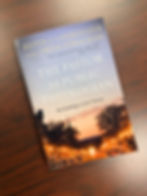
When talking to people in a congregation about the role of a pastor, theologian is not usually at the top of their list. People would see a pastor more as a preacher, a leader, a counselor, a fundraiser, a community worker, a strategist, a servant, and anything else someone has a need for. In the book The Pastor as Public Theologian by Kevin J. Vanhoozer and Owen Strachan, the authors argue that the pastor and theologian cannot be separated. Also, the view of what a theologian is should be defined as well. Gone are the days when theologians were the ones who sat around a table full of men smoking cigars and theorized the nature of God. Others see theologians as someone who commits their lives to full study of God and writes over and over on the critical topics of faith. But I would challenge that on a more practical level, a theologian is just someone who talks about who God is to others. “To be a pastor-theologian–to speak of God before someone in public–is to be squarely in the public eye. And this is the pastor-theologian’s predicament: to make truth claims about God in a way that satisfies the requirements of public discourse,” says Vanhoozer. (1) Yes, preaching a sermon brings theology, but so does shepherding someone well. Both a hospital visitation and administering communion are acts that can teach sound theology to those who experience it. Vanhoozer and Strachan use this text to explore how throughout history, the role and responsibilities of the pastor shares truth about God to their congregations and communities.
My definition of a pastor as a public theologian is someone in ministry leadership who helps people learn about God and understand how the nature of God applies to their everyday lives. In preaching, counseling, shepherding, and leading, a pastor-theologian helps people apply Biblical truth to real life situations. Pastor-theologians reflect the kingly, priestly, prophetic natures of Christ to their churches. They communicate the grace that God gives to His followers, the pastor included! (2) However, in light of our shortcomings, Holy Spirit still fills those who answer this calling and prepares them to serve the church. 2 Timothy 4:2 says, “Preach the word of God. Be prepared, whether the time is favorable or not. Patiently correct, rebuke, and encourage your people with good teaching.” A pastor-theologian takes both what the word of God says, and what Holy Spirit has communicated to them through the lens of Scripture to communicate the message of God to His people. The prophetic nature of pastoral ministry is to “call out people not to misery and anxiety, but to the world-righting, soul-renewing station of repentance.” (3) But this is not a new development. Great figures throughout the history of the church were church leaders who served as pastor-theologians in their time as well. People like John Chrysostom would argue that pastors must teach Scriptural theology in order to preserve the faith. Pastor-theologians were the ones who would strengthen the church through their teaching. (4)
So how does a pastor-theologian practically live into this role? What is the tension of doing ministry in this way? First, I would say that a pastor must first make the time to see the importance of theological study. Reading Scripture and early church leaders strengthens the understanding of how the Lord is at work not just in our time, but throughout all of time, and how He is unchanging. His truths are still the same yesterday, today, and tomorrow. Our job as pastors is to communicate this.
And next, Vanhoozer says that, “Christian theology is the attempt to know God in order to give God his due (love, obedience, glory.)” (5) This quote brings in the biggest challenge of theology: Connecting the mind AND the heart! Theology is not just what you know about God, but how your knowledge of Him shapes the way you live your life. The role of a pastor-theologian is to help bridge the gap between knowing what God says and actually doing it. Even through things such as the structure of a worship service, theology can be communicated and experienced. “The church is but the spearhead of a work not merely of urban but also cosmic renewal, anticipating in its reconciling practices the reconciliation of all things.” (6) Living into this as a body of Christ means that we live out the life-changing, transformative message of Jesus in a world that is in desperate need of hope. This can’t just happen in the mind. It must be experienced by encountering those who have experienced it firsthand.
As I reflect on this book, I can’t help but think about my role working with young adults. How can I help them see what God is doing in their lives in such a transient season. The ages of 18-25 bring so much change, but what is Holy Spirit trying to shape in the lives during college courses, first professional careers, navigating potential marriage relationships, and understanding what it means to be an adult let alone a Christian! But at the same time, they have such a hunger to learn about God and what being a Christian means in 2026. The goal is for them to encounter and be transformed by the power and presence of God and understanding Scripture to see how it speaks to their lives today. My job as a pastor-theologian is to help them along the way. I can’t just tell them the answers. The authors say, “Preaching draws the local church, here and now, into relationship with the bracing reality of Jesus Christ, directing disciples to adopt beliefs, values, and practices that correspond to what is in Christ in order to get real.” (7) My prayer is that through not just communicating theology, but also living it out in my own life that these young adults are able to do the same.
Kevin J. Vanhoozer and Owen Strachan, The Pastor as Public Theologian: Reclaiming A Lost Vision (Grand Rapids, MI: Baker Academic, a division of Baker Publishing Group, 2020). 12.
Ibid, 51.
Ibid, 59.
Ibid, 73.
Ibid, 104.
Ibid, 152.
Ibid, 160.